Technology
How Our Technology Works

Eq.flight Technology Stack
Eq.flight combines Direct Air Capture, high-temperature electrolysis, CO₂ conversion and hydrocarbon synthesis into a single Power-to-Liquids SAF pathway. It links hydrogen production, syngas conditioning, Fischer–Tropsch synthesis and upgrading to maximise SAF yield from low-carbon energy inputs.
The Eq.flight stack is built around proven industrial unit operations, configured for repeatable deployment. It turns captured CO₂ and water into drop-in jet fuel through integrated electrochemical and catalytic processing steps.
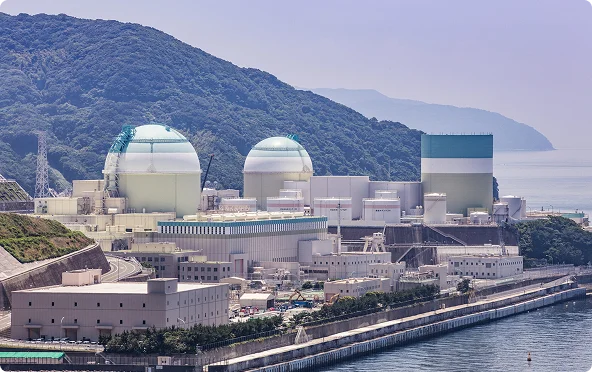
Nuclear Electricity and Heat
Eq.flight is optimised to use nuclear electricity and steam, prioritising continuous energy availability and maximum use of thermal inputs. Direct heat integration avoids inefficient heat-to-power-to-heat conversion, improving whole-system efficiency and supporting stable SAF output with strong lifecycle carbon intensity.
Nuclear coupling enables Eq.flight to avoid storage and backup generation requirements. Firm electricity and steam provide predictable operating conditions, improving utilisation and reducing exposure to interruptions that increase cost and downtime.
Solid Oxide Electrolysis
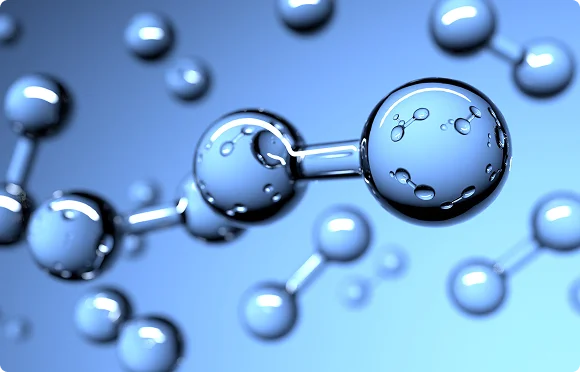
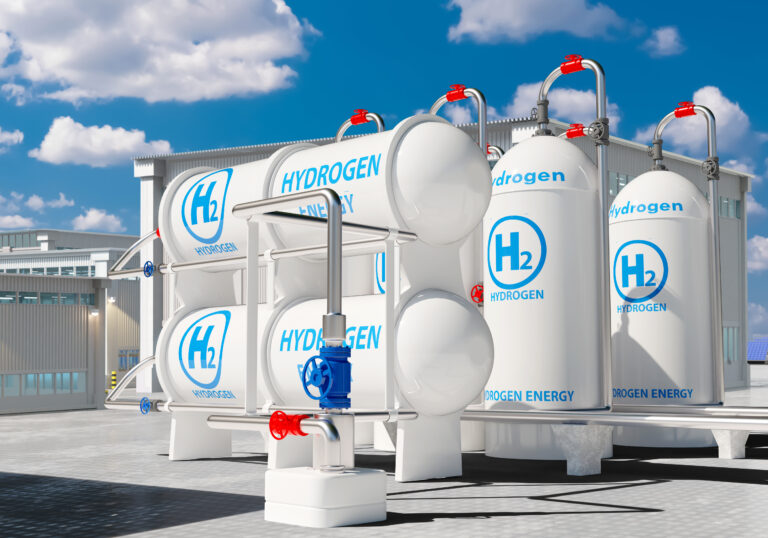
Solid oxide electrolysis is Eq.flight’s sole hydrogen production route. By using high-temperature steam, SOEC reduces electrical energy demand and can deliver 20–30% electricity savings versus PEM or alkaline electrolysis, improving overall PtL efficiency.
SOEC has the strongest case for nuclear heat integration because steam input directly improves performance. Eq.flight targets steady-state operation to enhance efficiency and mitigate degradation risks associated with thermal cycling.
Direct Air Capture
Eq.flight incorporates Direct Air Capture to provide atmospheric CO₂ as a feedstock for synthetic fuel production. Solid-sorbent DAC requires low-temperature heat for desorption, which can be supplied efficiently as low-pressure steam from a reactor secondary circuit, reducing electrical heating demand.
DAC enables Eq.flight to decouple CO₂ supply from point-source emissions. By integrating captured atmospheric CO₂, the system supports scalable, repeatable SAF production and strengthens lifecycle carbon intensity credentials.

Fischer Tropsch Fuel Synthesis
Fischer–Tropsch synthesis converts conditioned syngas into liquid hydrocarbons, forming the basis of drop-in SAF production. The FT reaction is exothermic and provides recoverable heat, which Eq.flight can reuse across the plant to reduce external heating loads and support efficiency.
Eq.flight’s FT stage sits downstream of RWGS, enabling tight heat and material integration. Continuous operation improves stability extends catalyst life, supporting consistent product quality and predictable output.
Efficient System Integration
Eq.flight’s competitive advantage is in integration: managing multi-vector nuclear heat and electricity inputs, controls, interfaces and operational constraints across the full PtL stack. The system is designed for constant running, simplified operation and maximum product output, reducing reliance on storage and backup systems.
Integration focuses on making the plant operate like a baseload industrial asset. Heat recovery, steam networks, and stable utilities reduce cycling and downtime, producing validated performance data to de-risk future FOAK nuclear-collocated plants.

Project Partners
Eq.flight brings together key partners across the full value chain — from engineering and technology to carbon supply and end-use.



Latest Updates
Latest developments, insights and announcements from Equilibrion and industry developments













Frequently Asked Questions
Eq.flight is a nuclear-derived power-to-liquids sustainable aviation fuel (SAF) project, integrating reliable nuclear power with proven technologies to produce ultra-low-carbon aviation fuel. Sustainable aviation fuel is low carbon jet fuel which can be used safely in place of traditional fossil kerosene. As a power-to-liquids process, Eq.flight uses only the hydrogen in water and the carbon in air to produce it’s fuel, leading to a massive reduction in carbon emissions from air travel.
Eq.flight’s eSAF can cut aviation fuel carbon intensity by up to 95% and strengthen supply security by reducing reliance on imported fossil fuels. Since fuel produced by Eq.flight can be used directly in place of traditional fossil kerosene, there is no impact to the operation or safety of the plane.
Most SAF pathways depend on constrained, variable feedstocks like waste or crops. Eq.flight uses air, water, and consistent nuclear power to make electro-sustainable aviation fuel known as eSAF, which is more bankable and scalable for decarbonising one of the UK’s fastest-growing, highest-emitting sectors.
Eq.flight aims to produce its first compliant SAF by 2030, demonstrating feasibility ahead of potential co-location with future nuclear projects such as Rolls Royce SMR. The first plant will enter front-end engineering design in 2026.